Act Fast or Lose It: The 72-Hour Decision Window That Top Entrepreneurs Swear By
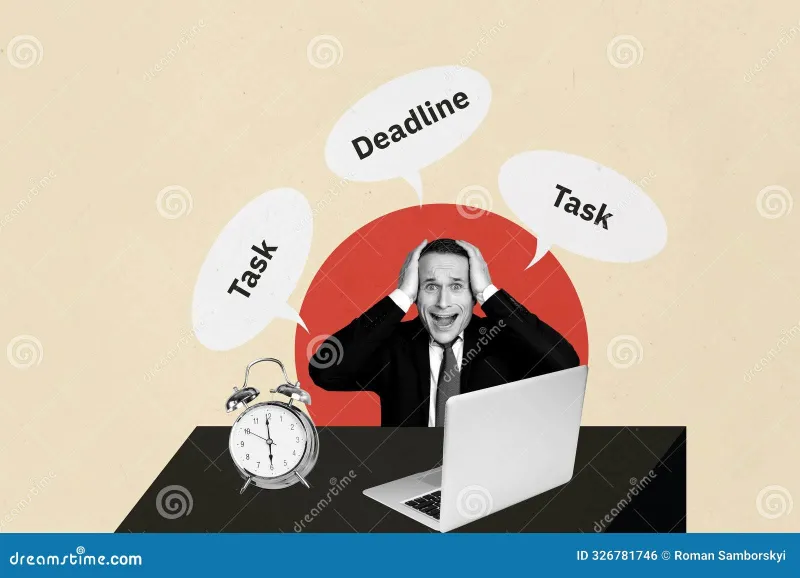
Photo: entrepreneur making decision at desk with clock urgency business, via thumbs.dreamstime.com
Here's something most business coaches won't tell you: the perfect moment to make a big decision is rarely when you feel completely ready. In fact, many of the country's most successful entrepreneurs say their defining moves happened not after months of deliberation — but within three days of spotting an opportunity.
Call it the 72-hour rule. It's not a formal business framework or a Silicon Valley buzzword (yet), but it's a pattern that keeps showing up in conversations with founders, executives, and deal-makers across industries. The idea is simple: when a real opportunity lands in front of you, you've got roughly 72 hours to act before momentum fades, circumstances shift, or someone else moves first.
Why Three Days? The Psychology Behind the Window
Decision fatigue is a well-documented phenomenon. The longer we sit with a major choice, the more we second-guess ourselves, introduce irrelevant variables, and water down bold action with excessive caution. Psychologists call this "analysis paralysis," and it's quietly killing more business opportunities than bad timing ever could.
But there's another layer here. When a strong business idea or opportunity surfaces, it arrives with a specific kind of energy — urgency, clarity, emotional momentum. Research in behavioral economics suggests that this window of heightened cognitive engagement is actually when our judgment is sharpest, not when we've had three weeks to overthink it.
Dr. Jonah Berger, a Wharton professor known for studying decision-making and social behavior, has written extensively about how momentum functions as a business asset. The first 72 hours after identifying an opportunity are often when that asset is at its peak value. After that, the emotional clarity fades, competing priorities crowd in, and what felt like a clear "yes" starts feeling like a risky "maybe."
Real Founders, Real Decisions
Talk to enough entrepreneurs and a pattern emerges fast. Sara Blakely, founder of Spanx, has spoken publicly about how quickly she committed to her idea before the logic-brain could talk her out of it. Reid Hoffman famously described launching LinkedIn as a leap taken before all the conditions were "right." These aren't reckless gamblers — they're people who understood that waiting for certainty is itself a decision, and usually not a great one.
Among smaller-scale founders, the same story plays out. A Chicago-based e-commerce founder who built a seven-figure home goods brand described her pivotal moment this way: she had 48 hours to decide whether to drop her corporate salary and go full-time on her side hustle after a wholesale buyer expressed serious interest. She said yes before the weekend. Two years later, that decision is what she calls "the hinge moment" of her entire career.
A Nashville-based music tech entrepreneur credits a Thursday afternoon phone call with an investor for setting his entire trajectory. He had until Monday to respond. He called back Friday morning with a yes. The deal closed. He's never looked back.
The Friday Factor
Here's where it gets interesting: a disproportionate number of these stories involve decisions made before the weekend. That's not a coincidence.
Weekends create a natural psychological break. If you don't act before Friday, you're essentially giving yourself two full days for doubt to set in, for the other party to lose enthusiasm, or for a competitor to swoop in. Monday morning is a reset — and not always in your favor.
There's also a social element. Weekends are when people talk. Founders discuss opportunities with spouses, friends, and mentors. By Sunday night, what felt like a clear-eyed business decision on Thursday has been filtered through a dozen outside opinions, many of them risk-averse. The original signal gets diluted.
Acting before the weekend keeps you in control of your own narrative.
How to Apply the 72-Hour Rule Without Being Reckless
Now, let's be real — not every decision deserves a 72-hour turnaround. Hiring your first employee, signing a multi-year lease, or taking on significant debt all warrant careful analysis. The 72-hour rule isn't a license to be impulsive. It's a framework for prioritizing decisions that have a genuine time sensitivity attached to them.
Here's how to work the window effectively:
1. Identify what's actually time-sensitive. Ask yourself: will this opportunity look meaningfully different in a week? Will the other party move on? Is there competitive pressure? If the answer is yes to any of these, the clock is ticking.
2. Pre-build your decision criteria. Successful entrepreneurs don't start from scratch every time a big choice lands. They know in advance what their non-negotiables are — financial thresholds, partnership values, market fit — so when an opportunity arrives, they're evaluating, not deliberating from zero.
3. Do a fast but focused due diligence sprint. Seventy-two hours is enough time to make calls, pull data, and get a gut-check from one trusted advisor. It's not enough time to build a 40-slide deck. Use it accordingly.
4. Set a personal decision deadline. Don't wait until hour 71. Give yourself a self-imposed cutoff — say, 36 hours — and commit to having an answer by then. This forces clarity without the last-minute scramble.
5. Separate the decision from the execution. You don't need to have everything figured out before you say yes. The decision and the plan are two different things. Commit to the direction; work out the details after.
The Cost of Waiting
It's worth sitting with this for a second: what's the actual cost of hesitation? In business, missed opportunities rarely announce themselves as such. They just quietly stop being available. The deal goes to someone else. The market window closes. The investor moves on to the next pitch.
A 2023 survey of small business owners by the Kauffman Foundation found that nearly 60% of respondents identified a specific moment where they wished they had acted faster on a key decision. The regret of inaction, it turns out, outlasts the discomfort of bold moves.
The Bottom Line
The 72-hour rule won't work for every situation, and it's not meant to. But if you're a professional, entrepreneur, or business owner who finds yourself perpetually "almost ready" to make a move, it might be worth asking: how many opportunities have already passed while you were still preparing to decide?
The most successful people in business aren't waiting for the stars to align. They're making the call on Thursday afternoon — and they're doing it before the weekend.