The 2 PM Problem: How America's Venues Are Turning Empty Hours Into Serious Money
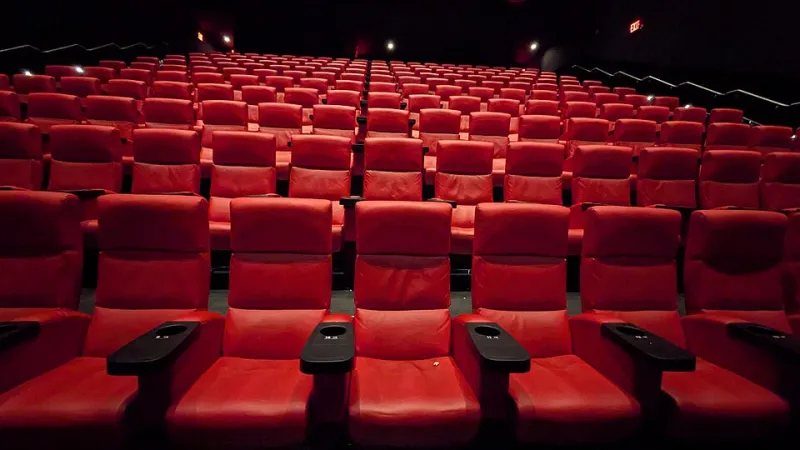
Photo: Eden, Janine and Jim from New York City, CC BY 2.0, via Wikimedia Commons
Walk past a mid-size movie theater at two in the afternoon on a Tuesday and you'll notice something odd: it's enormous, it's fully staffed, and it's almost completely empty. Same story at a 400-cap comedy club or a performing arts center in any mid-sized American city. These buildings were designed for peak hours that only exist a few nights a week.
That's a brutal math problem. Rent, insurance, HVAC, and payroll don't care that your shows start at 8 PM. And for decades, most venue owners just ate the loss, treating daytime dead zones as the cost of doing business.
That era is ending. A quiet wave of experimentation is turning America's entertainment real estate into some of the most versatile — and profitable — square footage in the commercial market.
The Podcast Migration
One of the biggest wins for venues has come from an unlikely tenant: podcasters and live-audio producers. A comedy club that's dead until doors open at 6 PM is, at 11 AM, a sound-treated room with built-in seating, a stage, great acoustics, and a bar. That's essentially a purpose-built recording studio with atmosphere money can't fabricate.
Clubs in Chicago, Austin, and LA have started renting morning and early-afternoon blocks to podcast networks taping live episodes. The rates are modest compared to a Friday night — but they're pure margin on hours that were generating zero. Some venues have formalized it into recurring leases; others run it like a day-rate rental. Either way, a Tuesday that used to cost money now makes it.
Retail Partnerships That Actually Make Sense
The smarter venue operators have also stopped thinking of their lobbies as waiting rooms. A movie theater lobby between 10 AM and 4 PM is a climate-controlled commercial space with built-in foot traffic, even if that traffic is thin.
The deals showing up across the country include:
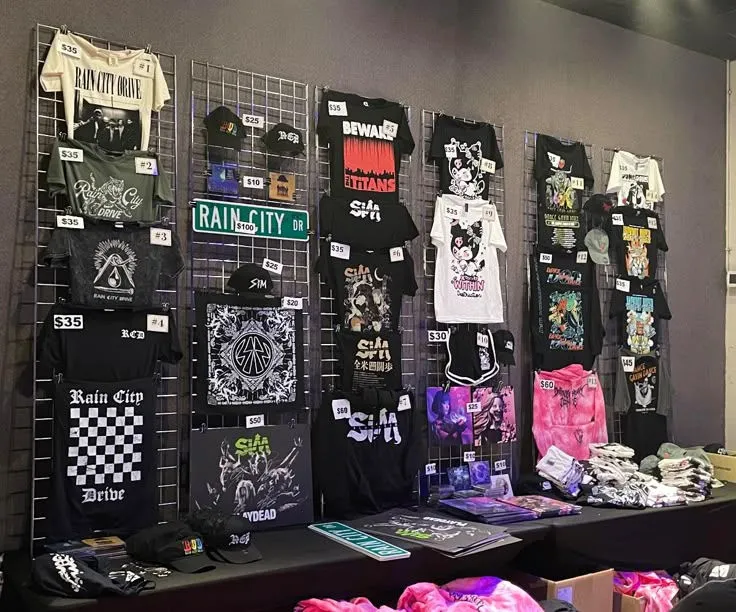
- Pop-up retail from local brands, paying a flat day rate for weekend lobby space
- Coffee and bakery operators taking over concession stands during matinee hours, splitting revenue
- Corporate event rentals, where a theater becomes an off-site meeting venue with a 40-foot screen included
- Film and photo shoots, which pay handsomely for a location that already looks like, well, a location
None of this is glamorous. All of it compounds. A venue layering three or four of these arrangements can offset 20 to 30 percent of its fixed monthly overhead without selling a single ticket.
What Small Operators Should Steal
You don't need a 1,200-seat palace to play this game. The playbook scales down:
Map your dark hours honestly. Most owners underestimate how many revenue-capable hours they actually have. A comedy club open five nights is still holding a building seven days a week.
Sell the room, not the show. Corporate trainers, churches, tournament organizers, and content creators all need mid-size spaces. They'll pay weekday rates that beat an empty house.
Partner before you build. A revenue split with a coffee operator costs you nothing upfront. Building your own daytime café concept costs plenty.
Protect the brand. Not every dollar is worth it. A venue known for great comedy shouldn't host anything that cheapens the room. The filter matters as much as the income.
The Bigger Picture
There's a lesson here that reaches past the venue industry. The most underused asset in most businesses isn't a skill or a customer list — it's capacity you're already paying for and not using. Theaters didn't need to buy anything new to fix their 2 PM problem. They just needed to look at what they already owned through a different lens.
America's savviest landlords aren't the ones with the most property. They're the ones who figured out that every hour of the day is rentable — if you're willing to get a little creative about who walks through the door.