The Show Is the Ad Now: When Merch Outearns the Music
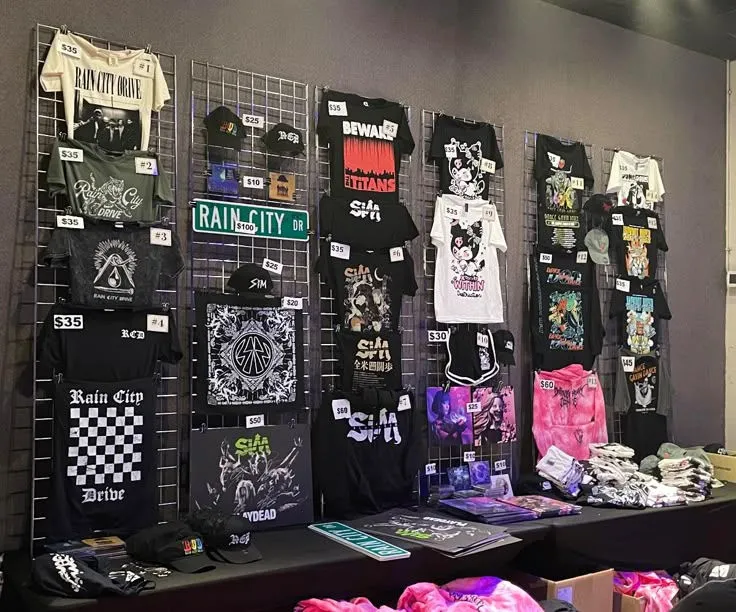
Photo: band merchandise table t-shirts concert venue, via static.wixstatic.com
Let's start with some margin math that should make every creative professional sit up straight. A musician streams a song on a major platform and pockets roughly four-tenths of a cent per play. That same musician sells a $40 hoodie at the merch table for maybe $12 in cost — $28 of gross margin on a single transaction. You'd need 7,000 streams to match one hoodie.
No wonder the merch table has become the loudest part of the room.
The Inversion Nobody Planned
For most of the 20th century, the creative work was the product and everything else was a souvenir. You bought the album; the tour sold it. You watched the show; the t-shirt was a keepsake.
That logic has quietly flipped. Talk to working comedians and mid-tier touring bands today and you'll hear versions of the same confession: the content builds the audience, but the money arrives through everything wrapped around it — physical goods, live experiences, paid communities, limited drops.
Podcasters have taken this furthest. A show with 50,000 dedicated listeners can't live on ad reads alone, but it can absolutely sustain a business built on quarterly product drops, a paid fan community, and live tapings. The episodes function, functionally, as an endless commercial for the brand.
The Playbook, In Plain Numbers
The operators doing this well follow a few consistent rules:
- Scarcity over inventory. Limited-run drops of 200 units that sell out beat 2,000 units sitting in a garage. Sell-out culture is free marketing.
- Price for the room, not the rack. Fans at a show aren't comparison shopping against Amazon. A $35 tour poster that costs $6 to print is a fair trade for a memory.
- The community is the product. Paid fan clubs at $5–10 a month convert casual listeners into predictable monthly revenue — the exact thing streaming took away.
- Experiences beat objects. A $150 meet-and-greet has near-100% margin and no shipping costs.
So Is This Sustainable — Or a Red Flag?
Here's where the honest answer gets uncomfortable.
On one hand, this is creative workers finally capturing real value. For decades, intermediaries kept the margins; now artists keep them. A comedian earning more from a smart merch operation than from streaming payouts isn't a scandal — it's a correction.
On the other hand, there's something worth naming: when the show becomes the ad, the incentive pressure runs downhill. Content optimized to sell hoodies starts drifting toward what sells hoodies — familiarity, catchphrases, a brand you can print on a shirt. The risk isn't that creators get paid. It's that the work slowly reshapes itself around the merchandise.
The healthiest operators seem to treat it as a firewall, not a funnel: the creative work stays weird, specific, and uncompromised, and the commerce lives respectfully beside it. The moment the tail starts wagging the dog, audiences smell it — and the audience, in the end, is the only asset that matters.
The show is the ad now. Whether that's a business model or a symptom depends entirely on who's holding the pen.