Your Childhood Is a Product Now: Inside America's Memory-for-Cash Machine
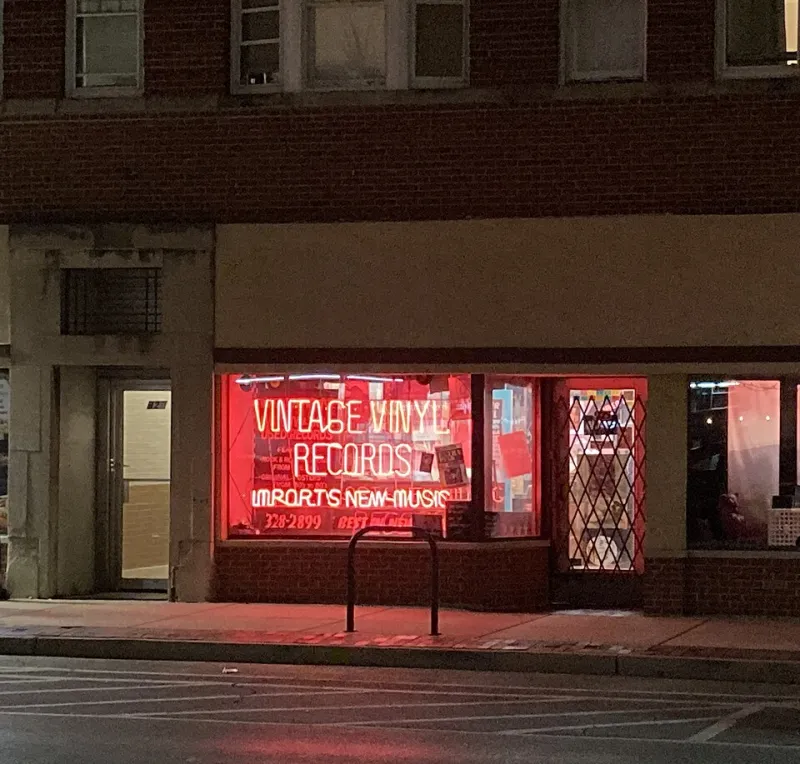
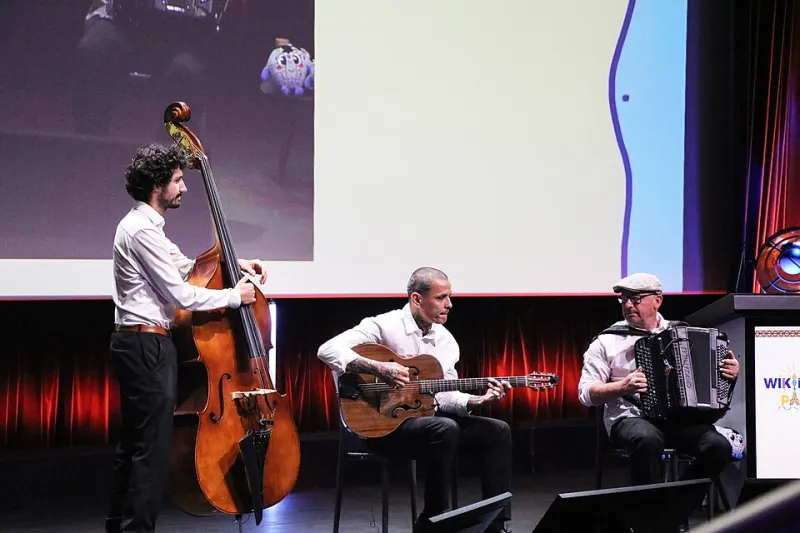
Photo: Nick Number, CC BY 4.0, via Wikimedia Commons
Walk into any Target in America right now and you'll pass a shelf of Tamagotchis on your way to a rack of Y2K-era velour. Streaming charts are topped by shows that premiered before some of their viewers were born. Vinyl records have outsold CDs for years running. Somewhere along the line, nostalgia stopped being a feeling and became a business model — one of the most dependable ones in the country.
Comfort Is a Purchase Decision
Start with the psychology, because that's where the money logic lives. Economists have long noted that in uncertain times, consumers gravitate toward the familiar — the same reason canned soup sales spike in recessions. But nostalgia spending is more specific than that. It's not just familiarity; it's a verified memory. You already know you loved that show, that album, that jacket. There's no risk in buying it again.
In an era of recommendation fatigue, that's gold. Hollywood doesn't have to convince you a reboot might be good. It just has to remind you that you once cared.
That's why the revival pipeline keeps humming. Streaming platforms, hungry for content with a built-in audience, have resurrected shows from Arrested Development to iCarly to Frasier. The math is blunt: an established IP comes with name recognition, press hooks, and a fanbase that will click out of curiosity alone. A brand-new show has to earn all of that from zero.
The Resale Economy of Remembering
Then there's the secondary market, where nostalgia gets truly weird — and truly lucrative. Vintage tech has become a collector's asset class. Original iPods, Game Boys, and even early-2000s flip phones trade online for prices that would've seemed absurd a decade ago. Thrift stores from Portland to Pittsburgh can barely keep retro band tees on the racks.
What's driving it? Partly scarcity — physical goods from the pre-streaming era exist in fixed supply. Partly generational math: millennials and older Gen Z now hold the disposable income, and they're spending it on the artifacts of their youth. A 35-year-old with a mortgage and a 401(k) buying a Discman isn't being irrational. They're buying a feeling that's been inflation-proofed.
So Which Decade's Next?
If you're trying to get ahead of the curve, watch the age wave. Nostalgia demand tends to peak when a generation hits its 30s and 40s — old enough to have money, young enough to still romanticize. The Y2K wave is cresting now. The logical next vein is the early 2010s: the Tumblr-era internet, the first Instagram filters, the peak indie-sleaze years. Expect it to look kitschy for a few seasons. Then expect it to sell.
How Small Businesses Play It Without Becoming a Museum
Here's where a lot of operators get it wrong. Slapping some retro signage on your storefront isn't a strategy — it's a costume. The businesses that win with memory-driven demand do something subtler: they use nostalgia as a doorway, not the whole house.
A record store that stocks new pressings alongside used vinyl. A barbershop that offers classic cuts with modern scheduling. A diner that revives one beloved dish rather than the entire 1974 menu. The past earns the visit; the present earns the return trip.
The lesson from the big players is the same at small scale: nostalgia works best as an ingredient, not the recipe. Americans aren't actually trying to move back in time. They're just willing to pay a little extra for something that remembers them.