Nobody Retweets the Group Chat: Where American Taste Actually Gets Made
Photo: Zeete, CC BY-SA 4.0, via Wikimedia Commons
Here's a pattern most marketing departments still haven't internalized: by the time something is trending publicly, the decision to make it trend was made weeks ago somewhere you couldn't see. A Discord server with 400 members. A WhatsApp thread among six friends. A paid Slack community of niche professionals. The group chat is the new network, and it doesn't have a public API.
The Funnel Runs Backwards Now
For twenty years, the assumed model of influence went top-down: big platform, big account, mass audience, then trickles of conversation below. That model still exists, but it's increasingly the last stage of a process that starts small and private.
A song gets shared in a music-discord before it charts. A restaurant gets recommended in a neighborhood group chat before it gets a writeup. A stock gets discussed in a private trading community before the financial press notices. Public virality is often the exhaust, not the engine.
Why? Because trust migrated. People are drowning in algorithmic content optimized to provoke a reaction, and they've responded by shrinking their circles of attention. A recommendation from a friend-of-a-friend in a curated group carries weight that a sponsored post can't buy — literally can't, because there's no ad inventory in a group chat.
What Actually Happens in There
Spend enough time around these communities — and every industry has them — and you notice they function like informal clearinghouses. Deals get flagged. Bad actors get named. Taste gets calibrated in real time. For commerce, the practical effects are concrete:
- Recommendations convert at absurd rates. A product mentioned organically in a trusted group outsells the same product advertised to the same people.
- Reputations are adjudicated privately. By the time a controversy goes public, the verdict was already reached in the chat.
- Early signals are readable. If you're watching the right communities, you can see demand forming before dashboards reflect it.
Brands Keep Crashing the Party
The instinctive corporate response — send a marketing person into the Discord — has a near-perfect failure rate. These communities are defined by who they keep out, and a brand that arrives with a pitch deck gets treated accordingly. Screenshots of clumsy corporate outreach are a genre unto themselves.
The operators who get it right do something slower and less scalable. They show up as people. They contribute for months without asking for anything. A founder answering technical questions in a hobbyist server, a musician hanging out in fans' own channels, a small brand sponsoring a community event without slapping a logo on it. The ask comes last, if it comes at all.
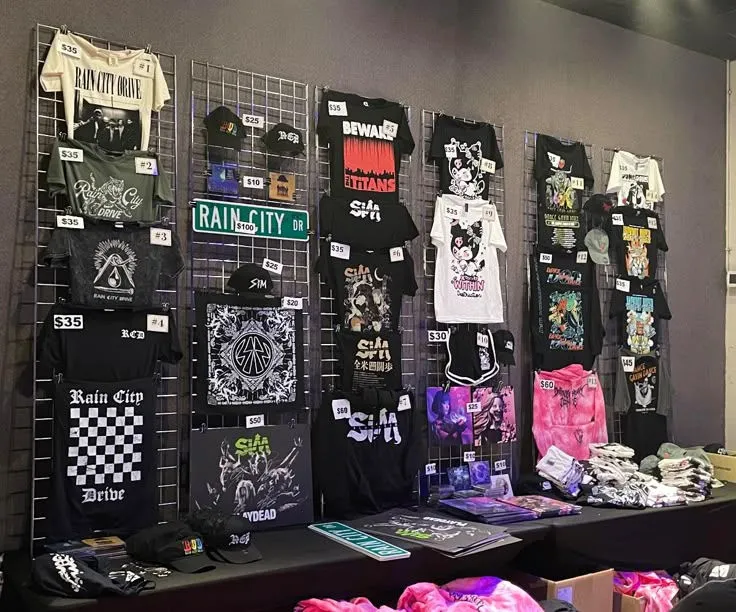
It's an uncomfortable trade for businesses trained on measurable reach. Group chat influence doesn't show up neatly in attribution software. But the companies quietly winning American niches — in streetwear, in gaming, in food, in finance — have largely accepted the trade: less measurable, more real.
The Takeaway for Operators
If you're building anything in the US market right now, budget for the unglamorous work. Identify the five or ten private communities where your actual customers talk. Join as a human. Give more than you take. It's slower than buying an ad, and it compounds in a way an ad never will.
The feed is where attention goes to perform. The group chat is where decisions get made. Know the difference.