One Employer, One Platform, One Big Mistake: The Hidden Cost of Putting All Your Eggs in Someone Else's Basket
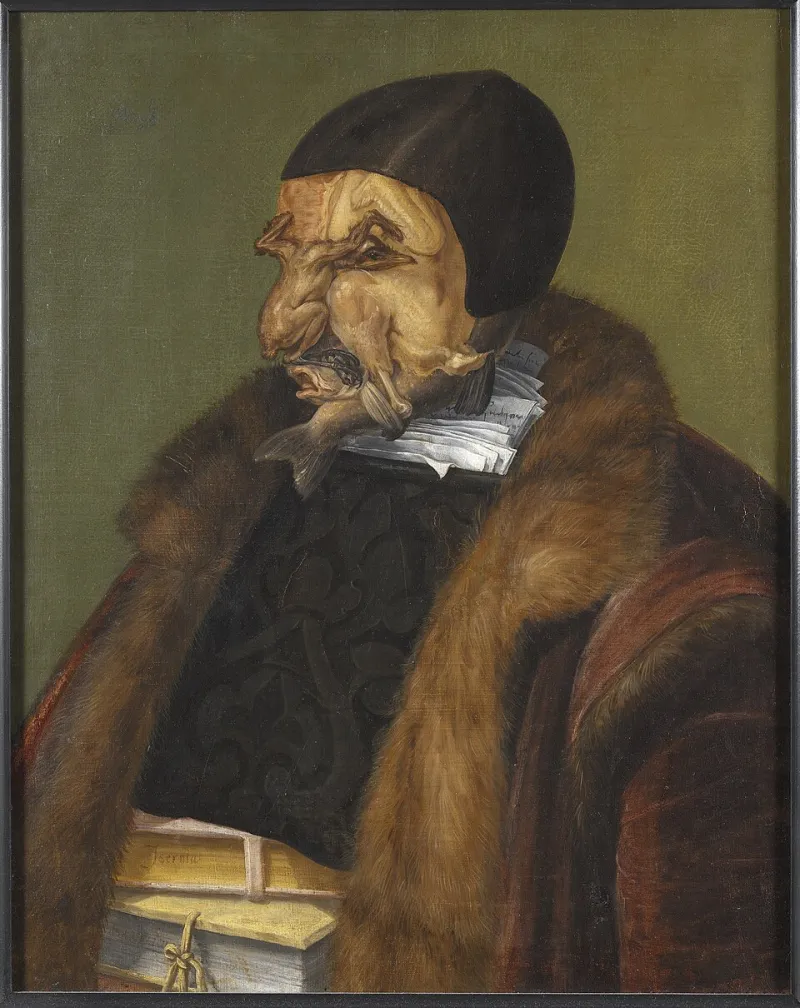
Photo: Giuseppe Arcimboldo, Public domain, via Wikimedia Commons
There's a version of the American Dream that looks something like this: land a solid job at a reputable company, put in your years, collect your benefits, and ride it out until retirement. Or, in the newer digital remix of that dream: build a massive following on one platform, monetize it hard, and let the algorithm do the rest.
Both versions have something in common — and it's not security. It's exposure. Specifically, the kind of financial exposure that can wipe out years of work in a single quarter, a single announcement, or a single policy update you had absolutely no say in.
Let's talk about what loyalty actually costs you in 2024.
The Restructuring Roulette Nobody Warns You About
Meet someone like Marcus. Twenty-two years at a mid-size logistics company in the Midwest. Senior operations manager. Good salary, solid 401(k), full benefits. Then one Thursday afternoon — the kind that comes out of nowhere — his entire department gets folded into an automated system. Severance package? Twelve weeks. After more than two decades.
Marcus's story isn't rare. It's practically a genre at this point.
According to data from the Bureau of Labor Statistics, the average American worker now stays at a job for about 4.1 years. But here's the thing — a lot of people want to stay longer. They're loyal. They're invested. And when the company decides the math no longer works in their favor, that loyalty doesn't show up as a line item on the severance check.
Corporate restructuring, private equity buyouts, offshoring, automation — these aren't fringe events anymore. They're standard business tools. And they're deployed with surgical precision against the very workers who believed the implicit promise that showing up and delivering would be enough.
The Algorithm Tax: What Platform Dependence Really Costs Creators
Now flip the scenario to the creator economy. You've spent three years building a YouTube channel, a TikTok following, or a Substack audience. You've got 200,000 followers. Brand deals are coming in. Life is good.
Then the platform changes its monetization policy. Or your account gets flagged. Or TikTok faces another round of Congressional scrutiny and advertisers pull back across the board. Overnight, your income drops 60 percent — and there's no HR department to call, no union rep, no appeals process that actually works.
This is what some creators are calling the algorithm tax — the invisible premium you pay for building your entire financial life on infrastructure you don't own and can't control.
The influencer burnout conversation usually focuses on mental health, and that's valid. But there's a financial burnout happening in parallel that gets far less attention. When your income is entirely tied to one platform's mood, you're not running a business. You're a very enthusiastic tenant.
What the Math Says About Diversification
Here's where it gets interesting — and a little uncomfortable for anyone who's been playing it safe.
Financial advisors have preached portfolio diversification for decades. Don't put all your money in one stock. Spread it across asset classes. Hedge your risk. Most people nod along and then proceed to concentrate 100 percent of their income in a single source — a single employer, a single platform, a single client.
The math on income diversification is just as compelling as the math on investment diversification. Consider someone earning $90,000 a year from one employer versus someone earning $55,000 from a primary job, $20,000 from freelance consulting, and $15,000 from a small content operation or digital product. The second person earns less on paper — until the first person's company restructures. Then the second person is just fine, and the first is updating their LinkedIn at 11pm.
Top earners — the ones quietly building real wealth — have figured this out. They treat employment and platform presence not as permanent anchors but as negotiable positions in a broader portfolio. A job isn't a identity. It's a revenue stream. A platform isn't a home. It's a distribution channel.
How the Smart Money Actually Moves
So what does the diversified professional actually look like in practice? A few patterns keep showing up.
The 70/20/10 split. Many high earners structure their income so that no single source accounts for more than 70 percent of their total. The remaining 30 percent comes from side consulting, digital products, investments, or secondary platforms. It's not glamorous. It's math.
Owning the relationship, not just the audience. Creators who've weathered platform shifts tend to have one thing in common: an email list. Or a community they host directly. Something that doesn't disappear when an algorithm changes. Building on someone else's platform without capturing direct contact with your audience is like farming on rented land — productive until it isn't.
Treating skills as transferable assets. The professionals who bounce back fastest from layoffs are rarely the ones with the most tenure. They're the ones who kept their skills sharp, stayed visible in their industry, and never let their identity fuse completely with their employer's brand. When the job goes away, they don't go with it.
The Loyalty Myth Isn't Your Fault — But It Is Your Problem
To be clear: none of this is about blaming workers or creators for trusting the systems they were told to trust. The loyalty-equals-security narrative was marketed aggressively for generations. It served employers well. It served platforms well. It gave people a sense of stability that, in many cases, turned out to be more feeling than fact.
But the economy has shifted. Dramatically. And the people who are thriving right now aren't the ones who are most loyal — they're the ones who are most flexible. They've internalized something that sounds almost cold until you realize it's actually just honest: the company will make the decision that's best for the company. The platform will make the decision that's best for the platform. Which means you have to make the decision that's best for you.
That's not cynicism. That's financial literacy.
The Takeaway
If you're currently 100 percent dependent on one employer or one platform for your income, this isn't a judgment — it's a prompt. Start small. Pick up one freelance project. Launch a newsletter. Build one skill that earns outside your main gig. Open one additional revenue stream that belongs to you.
The goal isn't to abandon loyalty entirely. It's to stop confusing loyalty with strategy. You can be a great employee and have a side consulting practice. You can be a dedicated creator on Instagram and build an email list that no algorithm can touch.
The most expensive thing you can do in today's economy isn't taking a risk. It's assuming someone else is managing yours.