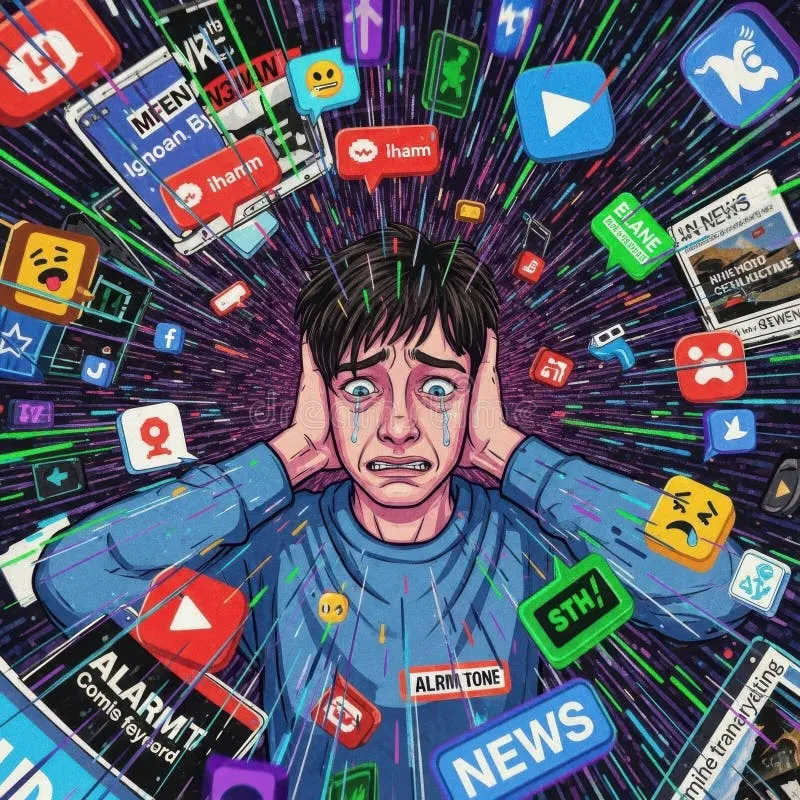
Fake Real Is the New Expensive: The Hidden Price of Performing Authenticity Online
Photo: 菊門客, CC BY-SA 4.0, via Wikimedia Commons
There's a particular kind of video that dominates your feed right now. The creator looks tired — but like, intentionally tired. The lighting is warm and a little imperfect. They're sitting on a couch, maybe holding a coffee mug, telling you something vulnerable about a business failure or a personal rough patch. It feels like you're watching a friend FaceTime you from their living room.
Except that "couch" was sourced from a vintage market for exactly the right worn-in aesthetic. The "imperfect" lighting was dialed in by a videographer who charges $800 a day. And the vulnerable story? Workshopped in three sessions with a brand strategist who specializes in what the industry quietly calls "strategic disclosure."
Welcome to the authenticity economy — where looking real is one of the most expensive things you can produce.
The Audience Demanded It, and the Industry Delivered a Price Tag
For years, the dominant playbook online was polish. Clean graphics, professional photos, carefully scripted copy. Then audiences — particularly younger ones — started tuning that out. They wanted something that felt human. Brands responded. Creators pivoted. "Raw" became the aesthetic of choice.
But here's the problem nobody talks about loudly enough: audiences can tell the difference between someone who's genuinely unfiltered and someone who's performing unfiltered. And to consistently land on the right side of that line, you need resources that most independent creators and small business owners simply don't have sitting around.
The result is a weird new class divide. Established creators and well-funded brands can afford to manufacture relatability at scale. Everyone else is either spending money they don't have trying to keep up, or actually being raw — which, ironically, often reads as lower quality to the very audience that claims to want it.
What "Authentic" Actually Costs in 2025
Let's get specific, because the numbers here are genuinely jarring.
A mid-level content creator trying to maintain a consistent "real" presence across platforms might be looking at:
- A videographer or camera operator who can capture "candid" footage that's actually well-composed: $400–$1,200 per shoot day
- A video editor who can make polished content look casually unpolished — a genuinely specialized skill — running $50–$150 per hour
- Brand or messaging strategists who help you figure out which personal stories are "safe" to share versus which ones will tank your reputation: $150–$400 per hour
- Audio equipment that makes your voice sound like you're just talking into your phone, except actually crisp and warm: $300–$800 upfront
- A content calendar and social media manager to ensure your spontaneous-looking posts go out at algorithmically optimal times: $1,000–$3,000 per month for a decent freelancer
Add it up, and a small business owner trying to run a credible "authentic" content presence could be dropping anywhere from $2,000 to $6,000 a month. For a solo creator without a brand deal safety net, that's not a content budget — that's a second mortgage.
The Vulnerability Coaching Industry Is Very Real
If you haven't heard of vulnerability coaching yet, you will. It's a niche that's exploded in the last few years, sitting somewhere between executive communications consulting and personal branding therapy. The pitch is essentially this: audiences connect with people who share real struggles, but if you share the wrong struggle in the wrong way, you'll either look unstable or invite a PR disaster. A vulnerability coach helps you find your "authentic" story and package it safely.
This is not a knock on the practitioners — there's genuine skill involved, and the demand is real. But it is worth sitting with the irony for a second. We have now created an entire professional services industry dedicated to helping people appear spontaneously human.
For creators in the entertainment space, this has become almost table stakes. Audiences expect celebrities and influencers to have "real moments," but those moments are now routinely prepped, timed, and approved by publicists before they go live. The behind-the-scenes reel is its own production.
Small Business Owners Are Caught in the Crossfire
For independent creators and small business owners — the people FM7 Hub talks to every day — the authenticity arms race is particularly brutal. You're not competing just against other small accounts anymore. You're competing against brands with seven-figure content budgets who have figured out how to look scrappy.
A regional bakery in Ohio, a freelance graphic designer in Austin, a personal trainer in Atlanta — these folks are being told by every marketing guru on the internet that they need to "show up authentically" and "share their story." What they're not being told is that their competitors who are doing it well are often spending real money to make it look effortless.
The pressure creates a lose-lose scenario. Don't invest in the production, and your "authentic" content looks amateurish next to the manufactured real stuff. Do invest, and you're bleeding cash on a content strategy that may or may not convert to actual revenue.
So What's the Move?
There are a few honest paths forward, and none of them involve pretending the problem doesn't exist.
Lean into actual constraints. If your phone camera and natural lighting are what you have, commit to them fully and consistently. Audiences can smell the gap between someone who can't afford production and someone who chose to go minimal. Consistency is what closes that gap.
Get strategic about what you share. You don't need a vulnerability coach if you spend some time thinking clearly about which stories serve your audience and your brand simultaneously. The ones that work tend to be specific, resolved (or at least forward-moving), and genuinely useful to the person watching.
Stop chasing every platform. The authenticity tax compounds when you're trying to perform realness on six different channels simultaneously. Pick one or two places where your audience actually lives and do the work there.
Budget for it honestly. If content is part of your business strategy, treat it like a line item with real numbers attached. Pretending it's free or easy is what gets creators into trouble — financially and creatively.
The Realest Thing You Can Do
Here's the uncomfortable truth at the center of all this: genuine authenticity — the kind that doesn't require a team or a strategy deck — does still exist online. It just doesn't scale the way a business or a growing creator brand needs it to.
At some point, if content is part of how you make money, it becomes a product. And products require investment. The goal isn't to avoid that reality — it's to go in with your eyes open about what you're actually buying when you decide to "keep it real."
Because right now, real is expensive. And the first step to managing that cost is admitting it exists.